


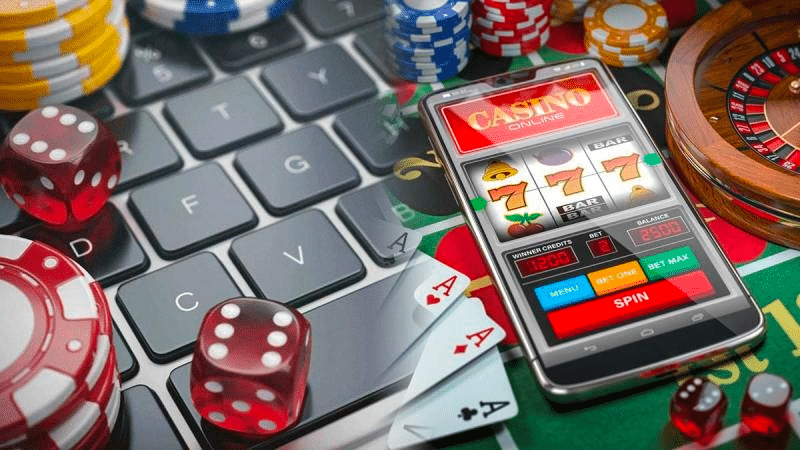
Random Number Generators, commonly known as RNGs, are the backbone of online casino games. Every spin, card draw, and dice roll is powered by this technology. Yet many players still wonder whether RNG-based games are truly fair or subtly manipulated.
This article breaks down how RNGs work, how fairness is ensured, and what players should realistically expect from online casino games.
What Is an RNG in Online Casinos?
An RNG is a computer algorithm that produces random outcomes continuously, even when no one is playing.
In online casinos, RNGs are used to determine:
- Slot machine reel positions
- Card distribution in digital table games
- Outcomes in games like roulette, dice, and keno
The goal is to replicate the unpredictability of physical casino games in a digital environment.
How RNGs Actually Generate Random Results
RNGs rely on complex mathematical formulas and rapidly changing values.
Key characteristics include:
- Thousands of number sequences generated per second
- No memory of previous results
- Outcomes determined the instant you click “spin” or “deal”
This means results cannot be timed, predicted, or influenced by players.
Are RNGs Truly Random?
In practice, online casinos use pseudo-random number generators, which are statistically random even though they’re algorithm-based.
What matters is not philosophical randomness, but whether:
- Outcomes are unpredictable
- Results are evenly distributed over time
- No pattern can be exploited
Certified RNGs meet all these criteria.
How Fairness Is Tested and Verified
Reputable online casinos do not self-certify their fairness.
Independent Testing Includes
- Millions of simulated game rounds
- Statistical deviation analysis
- Continuous audits of RNG behavior
- Verification of payout percentages
Only casinos that meet strict fairness standards are allowed to operate under recognized licenses.
RNGs and Return to Player (RTP)
RNGs work hand-in-hand with Return to Player (RTP) percentages.
- RTP represents the average payout over time
- A slot with 96% RTP returns $96 for every $100 wagered over millions of spins
- RNG ensures each spin remains independent, regardless of RTP
Short-term outcomes vary, but long-term averages follow the math.
Why RNG Fairness Doesn’t Mean You’ll Win
Fairness doesn’t equal profitability.
Even in fair games:
- The house edge still exists
- Variance causes winning and losing streaks
- Outcomes remain unpredictable in the short term
RNG fairness ensures honesty—not player advantage.
Common Myths About RNGs
Many misconceptions surround RNG-based games.
Myths that aren’t true:
- Casinos change RNG outcomes when players are winning
- Late-night play offers better odds
- Slots “warm up” before paying out
- Manual spins differ from auto-spins
RNGs operate independently of player behavior or timing.
RNGs vs Live Dealer Games
Live dealer games use physical equipment but still incorporate technology.
Key differences:
- RNG games are fully automated
- Live dealer games rely on real cards or wheels
- Both are monitored for fairness
- Both still carry a house edge
Choice comes down to preference, not fairness.
Regulation and Player Protection
Licensed casinos must follow strict RNG regulations.
These rules ensure:
- Transparent payout disclosures
- Secure game software
- Ongoing compliance checks
Unlicensed casinos are where fairness risks actually exist.
How Players Can Protect Themselves
Smart players focus on control, not suspicion.
Practical steps include:
- Playing only on licensed platforms
- Checking RTP information
- Avoiding unrealistic expectations
- Treating gambling as entertainment
Understanding RNGs removes unnecessary doubt and fear.
Frequently Asked Questions (FAQ)
Can RNGs be hacked or manipulated?
Certified RNGs are extremely difficult to manipulate and are regularly audited.
Do online casinos control when players win?
No. Casinos rely on long-term probabilities, not real-time control.
Is RNG fairness the same across all games?
Fairness is consistent, but house edges vary by game.
Can patterns be found in RNG results?
No reliable patterns exist in properly implemented RNGs.
Are RNG games fairer than physical casino games?
They are equally fair when properly regulated.
Does faster gameplay affect RNG outcomes?
No. Speed does not influence randomness or probability.
Should players trust RNG-based casinos?
Yes—when the casino is licensed, tested, and transparent.
RNGs are not designed to trick players—they are designed to ensure consistent randomness. Once you understand how they work, it becomes clear that fairness in online casinos isn’t about beating the system, but about knowing the rules, the math, and your limits.