


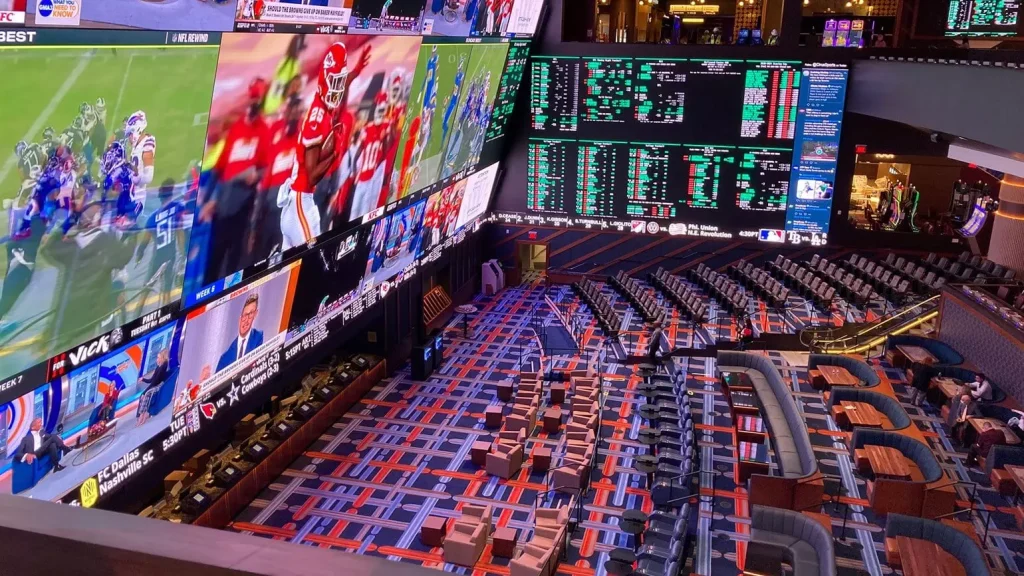
Sports betting odds are more than just numbers on a screen. They tell a story about probability, risk, and reward. For many beginners, odds look confusing at first, but once you understand how they’re built and what they represent, betting decisions become far more logical and controlled.
This guide explains how odds truly work, why they move, and how bettors can read them the right way.
What Sports Betting Odds Actually Mean
At their core, odds express probability and payout.
They answer two simple questions:
- How likely is an outcome to happen?
- How much will you win if it does?
Lower odds indicate a higher probability of winning, while higher odds reflect outcomes that are less likely but offer larger payouts.
Probability vs Payout: The Core Relationship
Odds are directly tied to probability, but they are not pure reflections of it.
Key relationship:
- High probability → lower payout
- Low probability → higher payout
For example, a dominant favorite will have short odds because the sportsbook expects that outcome to occur more often. An underdog offers bigger odds because the risk is higher.
The Three Main Odds Formats Explained
Sportsbooks present odds in different formats depending on region and preference. All formats convey the same information in different ways.
Decimal Odds
- Show total return, including stake
- Easy to calculate and widely used
Example:
Odds of 2.50 mean a $10 bet returns $25 total if it wins.
Fractional Odds
- Show profit relative to the stake
- Common in traditional betting markets
Example:
5/2 odds mean you win $5 for every $2 wagered, plus your stake.
Moneyline Odds
- Use positive and negative numbers
- Indicate favorites and underdogs clearly
Example:
- -150 means you must bet $150 to win $100
- +200 means you win $200 on a $100 bet
How Sportsbooks Set Odds
Odds are not set randomly. They’re created using a combination of data, modeling, and market behavior.
Factors That Influence Odds
- Team or player performance history
- Injuries and lineup changes
- Public betting trends
- Weather and venue conditions
- Scheduling and fatigue
Once odds are released, they continue to change based on betting activity and new information.
Why Odds Move Before and During Games
Odds movement reflects market adjustments, not certainty.
Common reasons for odds shifts include:
- Heavy betting on one side
- Breaking news (injuries, weather)
- Sharp bettors placing large wagers
- Live game momentum changes
Understanding why odds move helps bettors avoid blindly following trends.
Implied Probability Explained Simply
Every set of odds contains an implied probability—the sportsbook’s estimate of how likely an outcome is.
Example using decimal odds:
- Odds of 2.00 imply a 50% probability
- Odds of 4.00 imply a 25% probability
Knowing how to convert odds into probability allows bettors to compare their own judgment against the market.
The Sportsbook Margin (Vig or Juice)
Sportsbooks include a built-in edge to ensure profit over time.
This margin means:
- The total implied probability exceeds 100%
- Bettors are paying a small “fee” through odds
Recognizing this margin is crucial when evaluating whether a bet offers real value.
What “Value” Means in Betting Odds
Value betting isn’t about picking winners—it’s about finding mispriced odds.
A bet has value when:
- Your estimated probability is higher than the odds imply
- The payout outweighs the true risk
Consistently finding value is what separates strategic bettors from casual ones.
Common Misunderstandings About Odds
Many beginners misinterpret what odds are telling them.
Frequent mistakes include:
- Assuming favorites always win
- Believing high odds mean a bad bet
- Confusing payout size with likelihood
- Ignoring implied probability
Odds are tools, not predictions.
Odds and Emotional Betting
Odds can tempt bettors into chasing big payouts or “safe” favorites. Both approaches can be risky without discipline.
Smart bettors:
- Stick to researched decisions
- Avoid betting based on hype
- Focus on long-term consistency
Understanding odds reduces emotional decision-making.
Frequently Asked Questions (FAQ)
Do odds predict the actual outcome of a game?
No. Odds reflect probability and market behavior, not certainty.
Why do different sportsbooks offer different odds?
Each sportsbook manages risk differently, leading to variations in pricing.
Can odds change after I place a bet?
No. Once your bet is placed, the odds are locked in.
Are higher odds always better for bettors?
Not necessarily. High odds often come with lower chances of winning.
What causes sudden big odds movements?
Injuries, sharp betting activity, or major news usually trigger rapid changes.
Is it possible to beat sportsbook odds consistently?
It’s difficult but possible with strong research, discipline, and value-based strategies.
Should beginners focus on odds or predictions first?
Learning how odds work should come first—it builds the foundation for smarter predictions.
Understanding how odds really work transforms sports betting from guesswork into informed decision-making. When you read odds correctly, you’re no longer betting blindly—you’re evaluating risk with clarity and control.