 By
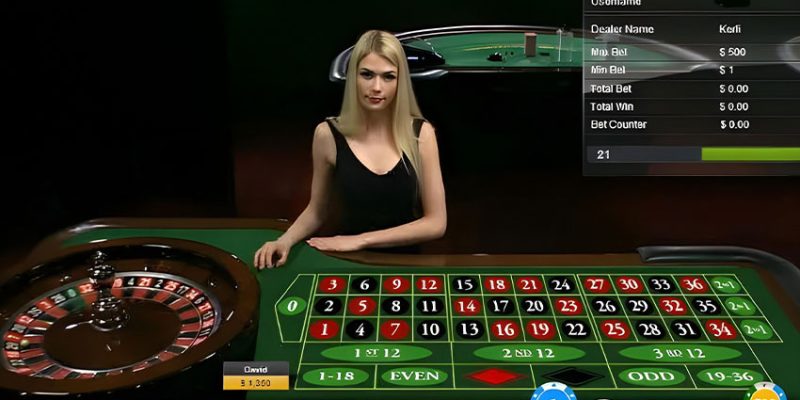
Quiet hours in a live roulette studio present a specific operational challenge. With fewer players at the table, the natural rhythm of a busy session disappears, and the pacing of spins can drift without a structured approach to keep it consistent. Bitcoin roulette online platforms broadcast these sessions continuously regardless of player volume, and dealers are trained to maintain a defined spin cadence even when only one or two players are present at the table.
How do dealers manage pace without player pressure?
During peak sessions, the pace of a live roulette table is largely self-regulating. Players place bets quickly, the layout fills, and the dealer moves through each round at a rhythm driven by activity. During quiet hours, that external pressure disappears. A dealer managing a near-empty table must maintain the same spin interval without using player activity as a timing cue. Studios address this through a combination of timer-based controls visible to the dealer and a scripted inter-round routine that fills the interval without extending it.
The timer displayed on the dealer’s monitor shows the betting window countdown regardless of how many players are at the table. The window duration does not extend because of low volume. A betting window that closes after 25 seconds on a full table closes after the same 25 seconds on a quiet one. Dealers follow the timer rather than waiting for the layout to fill, which keeps the session moving at the same pace a player joining mid-session would expect. Studios monitor spin frequency remotely during quiet hours through floor supervision software that flags any table where the average round duration has extended beyond the approved threshold.
Inter-round routine topics
Between the close of one round and the next betting window, dealers follow a scripted routine that occupies the interval without padding it:
- Result announcement states the winning number, colour, and applicable outside bet categories clearly and in the correct order.
- Chip clearing follows the announcement, with the dealer removing losing bets from the layout before calculating and placing winning payouts.
- Rule reminders on a rotation schedule are delivered during the clearing interval, covering bet limits, no more bets timing, and special rule information on the cycle set by the studio brief.
- Wheel check confirms the rotor is spinning within the required speed range before the ball is placed on the track for the next launch.
Each step has a defined position in the sequence and a maximum time allocation. Dealers completing the routine within the allocated time move directly into the next betting window rather than filling remaining seconds with unscripted commentary, which keeps the total round duration stable across both busy and quiet periods.
Pace monitoring across quiet sessions
Floor supervisors responsible for quiet-hour oversight access a real-time dashboard showing average round duration, spin count per hour, and deviation from the approved schedule for every active table. A table drifting into longer round times generates an alert without requiring a supervisor to monitor each individual table visually throughout the shift.
When a drift alert triggers, the supervisor contacts the dealer through an in-ear communication channel rather than through the visible broadcast feed. The instruction to tighten the interval is delivered directly to the dealer without appearing on the player-facing stream. Dealers are expected to correct the pace within the next two rounds. If the drift continues, the floor supervisor escalates to the shift manager, who reviews the recording of the affected session to determine whether the issue is procedural or the result of a technical problem with the timer display at the dealer position.