 By
Slot machines are everywhere—from casino floors to online gaming platforms—and they’re often seen as simple games of luck. Spin the reels, match symbols, and hope for a payout. Behind that simplicity, however, is a carefully engineered system driven by mathematics, software, and psychology.
This article explains how slot machines actually work, what determines wins and losses, and why the house always maintains an edge.
What a Slot Machine Really Is
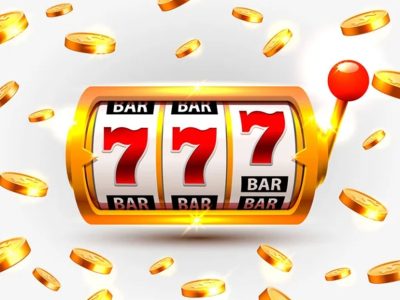
A slot machine is not a spinning reel of symbols deciding your fate in real time. Instead, it’s a computerized system that uses algorithms to determine outcomes the moment you press the spin button.
The visual reels are simply a representation of a result that’s already been calculated.
The Role of the Random Number Generator (RNG)
At the heart of every slot machine is a Random Number Generator (RNG).
The RNG:
- Continuously generates numbers, even when the machine is idle
- Selects a number the instant you press “spin”
- Maps that number to a specific reel outcome
Each spin is independent, meaning past results have no impact on future spins.
Why Reels Don’t Tell the Full Story
Modern slots use virtual reels, not physical ones.
This allows developers to:
- Assign different probabilities to symbols
- Make jackpot symbols rarer than others
- Offer thousands or millions of possible outcomes
The result is a wide range of payouts, from small wins to rare, massive jackpots.
How Payouts Are Determined
Slot payouts are based on paylines and symbol combinations.
Key components include:
- Fixed or adjustable paylines
- Symbol values assigned by the game design
- Bonus features that trigger additional outcomes
Winning combinations are determined by the RNG, not by how long you’ve played or how much you’ve wagered.
Understanding Return to Player (RTP)
Return to Player (RTP) is a long-term statistical measure.
- An RTP of 96% means the slot returns $96 for every $100 wagered over millions of spins
- It does not guarantee individual outcomes
- Short-term wins and losses vary due to randomness
RTP explains why casinos still profit even when players win occasionally.
Volatility: Why Some Slots Feel Riskier
Volatility (or variance) describes how often and how much a slot pays.
Low-Volatility Slots
- Frequent small wins
- Lower jackpot potential
- Slower bankroll swings
High-Volatility Slots
- Infrequent payouts
- Larger jackpots
- Bigger swings in balance
Neither type is better—it depends on player preference and risk tolerance.
Bonus Features and Free Spins Explained
Bonus rounds aren’t random gifts—they’re part of the game’s math.
They:
- Increase entertainment value
- Extend playtime
- Redistribute payouts across features
The total payout potential is already accounted for in the RTP and volatility model.
Progressive Jackpots and Their Mechanics
Progressive slots link multiple machines together.
How they work:
- A small portion of each bet contributes to the jackpot
- The jackpot grows until someone wins
- Odds remain extremely low despite large prizes
Big jackpots exist because they are rarely hit.
Why Slot Machines Always Favor the House
Slot machines are designed with a built-in house edge.
This ensures:
- Total payouts are lower than total wagers
- Casinos earn steady profits over time
- Outcomes remain unpredictable but mathematically controlled
Even fair and regulated slots operate under this principle.
Common Myths About Slot Machines
Many beliefs about slots are incorrect.
Myths include:
- Machines “due” for a win
- Playing longer improves chances
- Max bets increase randomness
- Machines loosen or tighten payouts manually
Every spin is independent and unaffected by past activity.
How Online and Physical Slots Differ
While both use RNGs, online slots:
- Offer higher RTPs on average
- Have more complex bonus features
- Operate faster, increasing spin volume
Physical slots emphasize atmosphere and slower play but follow the same mathematical logic.
Playing Slots Responsibly
Understanding how slots work helps players stay in control.
Smart habits include:
- Setting spending limits
- Choosing games with transparent RTP
- Avoiding emotional betting
- Viewing slots as entertainment, not income
Knowledge is the best defense against unrealistic expectations.
Frequently Asked Questions (FAQ)
Are slot machines completely random?
Yes. Certified RNGs ensure unpredictable outcomes on every spin.
Can a slot machine be “hot” or “cold”?
No. Past results do not affect future spins.
Do higher bets improve winning chances?
They increase potential payouts, not probability.
Are online slots fair?
Yes, when offered by licensed and regulated casinos.
Why do slots show near-miss outcomes?
Near-misses increase engagement but do not change odds.
Can strategy improve slot results?
No strategy changes the math—only bankroll management helps.
Why do casinos rely so heavily on slot machines?
High volume, automation, and built-in house edges make slots highly profitable.
Slot machines are not about timing or patterns—they’re about probability, design, and volume. Once you understand how they really work, you can enjoy them for what they are: fast-paced entertainment with clearly defined odds and outcomes.